2–4×
higher crash risk with untreated sleep apnea, with more severe injuries
CCMTA Medical Standards for Drivers
Commercial driver medicals, pre-employment exams, and employer or insurance forms – completed by our on-site family physician, in efficient appointments that respect your schedule. Book directly, bring your paperwork, and leave with it done.
This care is provided on the medical side of Westside under Dr. Sabah Jarullah, family physician. Every patient begins with a medical assessment; insured visits are covered under the Alberta Health Care Insurance Plan. No referral needed.
We do not currently provide aviation or immigration medical examinations, which require separately designated examiners.

Obstructive sleep apnea (OSA) closes the airway again and again through the night, so a driver can spend eight hours in bed and still start the day short on restorative sleep. On the road that shows up as slower reaction time, lapses in attention and “microsleeps” – a few seconds of sleep the driver never notices. Drivers with untreated sleep apnea have roughly two to four times the crash risk of other drivers, and their collisions tend to be more severe.
Fatigue is a leading factor in Canadian road deaths: about one in five fatal collisions involves a fatigued driver, and roughly one in eight Canadian drivers admit to nodding off at the wheel in the past year. Being awake for 18 hours impairs driving about as much as a blood-alcohol level of 0.05 – and untreated apnea erodes sleep quality every night, not just after a late one.
That is why the Alberta driver medical form asks about snoring, daytime sleepiness and diagnosed or suspected sleep disorders, and why Alberta lists sleep apnea among the conditions drivers are required to report. Under the national medical standards Alberta applies, a driver with severe untreated apnea – or any driver who has had a collision from falling asleep – is expected to show successful treatment before being considered fit to drive.

2–4×
CCMTA Medical Standards for Drivers
1 in 5
Canadian Council of Motor Transport Administrators
1 in 8
Traffic Injury Research Foundation, Road Safety Monitor
⅔ fewer
Tregear et al., Sleep 2010
Population figures from published road-safety and medical sources; individual risk depends on severity, sleepiness and treatment. A dental exam screens for sleep-disordered breathing; the diagnosis is made by a physician.
Commercial drivers spend more hours at the wheel, often at night and on long, monotonous highways – exactly the conditions in which a sleep-deprived brain drifts into microsleep. Alberta Transportation names commercial drivers, shift workers and people with untreated sleep disorders among those most likely to fall asleep while driving. In a loaded semi, a two-second lapse is a public-safety event, not a private one.
Class 1, 2 and 4 licences require a physician’s medical every five years until age 45, every three years from 45 to 65 and every year after 65; Class 5 drivers need one at 75, at 80 and every two years after that. A sleep apnea diagnosis that is being treated is generally not what puts a licence at risk – untreated apnea with daytime sleepiness is. Treatment also works quickly: daytime sleepiness improves after the first night of effective CPAP, and simulated driving performance within about a week.

If your medical raises a question about snoring, sleepiness or fatigue, the assessment, the sleep test and the treatment are all here – under one roof, with the paperwork your licence review may ask for handled by the same team.

Dr. Sabah Jarullah, family physician, completes the Alberta Medical Examination for Motor Vehicle Operators – vision, blood pressure, heart, neurological and sleep screening – in one focused visit, with the form signed the same day whenever the examination allows.
Book a driver medical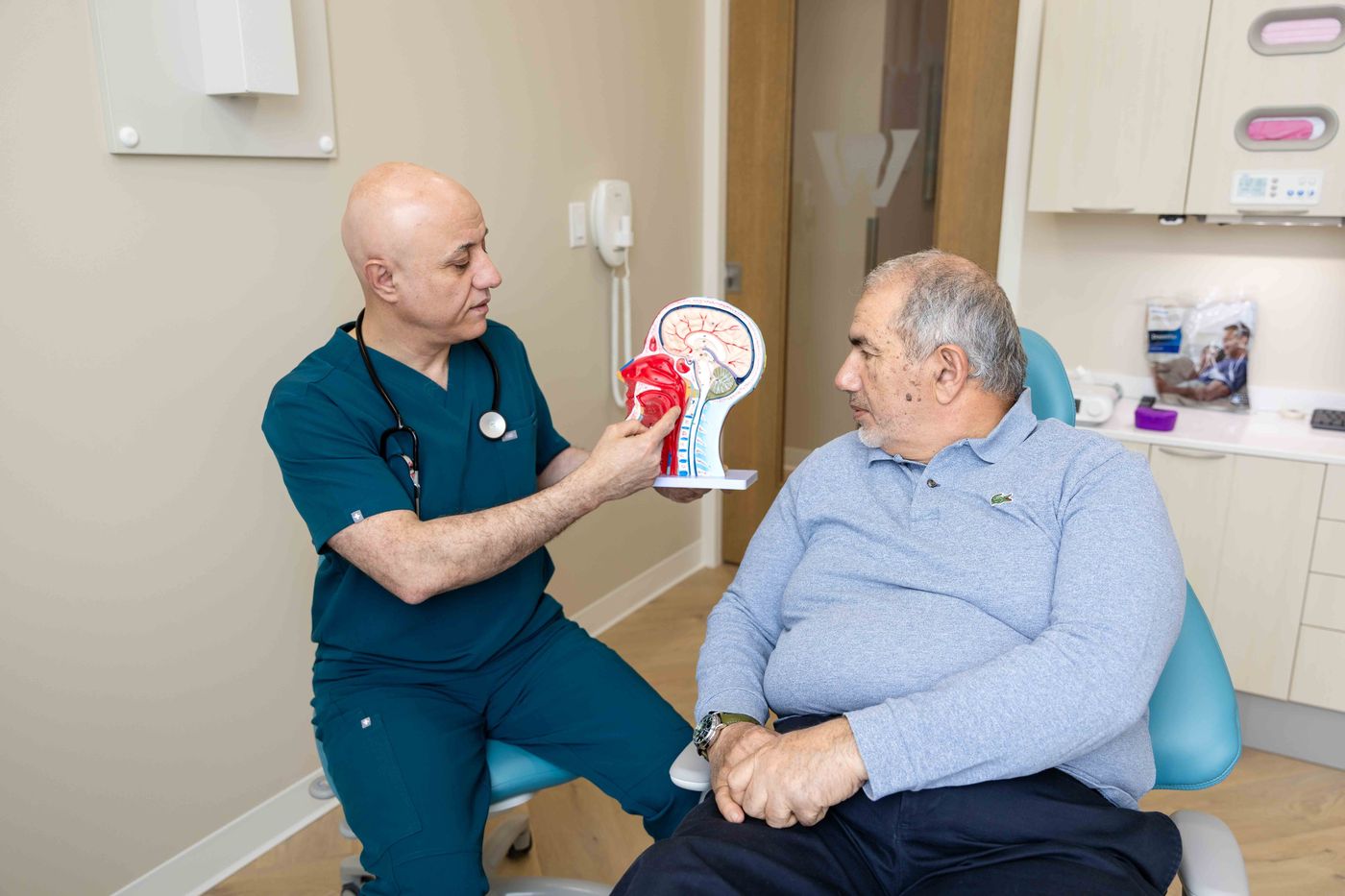
If your history points to sleep-disordered breathing, you are screened in the same visit and, where indicated, sent home with a Level 3 sleep test for one night in your own bed. Dr. Sabah reviews the results and makes the diagnosis.
Home sleep test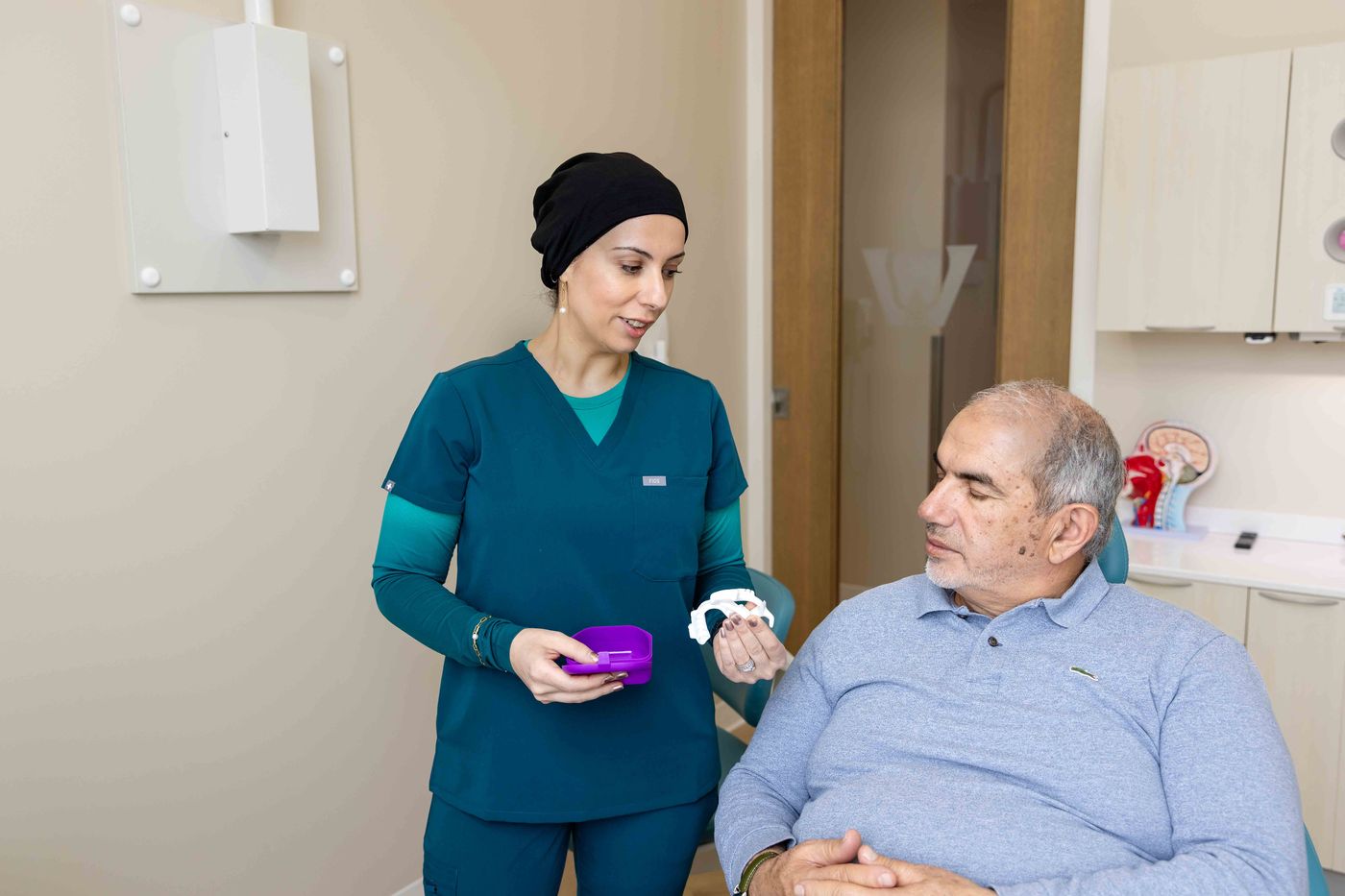
CPAP is the usual first choice for moderate-to-severe apnea. For drivers who cannot tolerate it, or with milder apnea, Dr. Zubaida Hussain fits a custom oral appliance in the same clinic, and follow-up is booked here so your treatment – and your licence – stay on track.
Sleep apnea treatmentDriver medicals, occupational exams, and most forms are uninsured services – they are not covered by the Alberta Health Care Insurance Plan, by provincial rule, and are paid privately. Fees are provided clearly when you book, before your visit. Regular insured medical care with our physician remains covered by provincial coverage as always.
Fees depend on the exam or form required and are quoted clearly when you book – no surprises at the desk.
These are short, focused appointments – call us at (587) 288-8190 and we’ll find you the earliest slot.
In most cases, yes – completed and signed the same day whenever the examination allows.
Yes. Alberta requires drivers to report any condition that may interfere with safe driving, and sleep apnea is on the province’s list; a physician may also report a concern. Well-treated apnea is a very different conversation with the registry than untreated apnea – getting tested and treated is the way to protect your licence.
Usually not. Under the national medical standards Alberta applies, a driver whose apnea is treated effectively – CPAP used as prescribed, or an oral appliance with follow-up – can generally continue to drive, including commercially. Restrictions are aimed at untreated apnea with daytime sleepiness and at drivers who have crashed after falling asleep.
Dr. Sabah asks about snoring, witnessed pauses in breathing, daytime sleepiness and fatigue, checks neck size, blood pressure and airway, and uses a standard sleepiness questionnaire. If the screen is positive, a one-night Level 3 home sleep test is arranged from the same clinic and the results are reviewed by the physician.
Happily – our family practice is currently welcoming new patients.
Driver, occupational, and form-completion services are uninsured services paid privately; fees are disclosed before booking. Insured physician services remain covered by provincial coverage.
Content reviewed by Dr. Zubaida Hussain, dentist, and Dr. Sabah Jarullah, family physician, at Westside, West Springs, Calgary SW — last reviewed September 2026. Educational information only; it does not replace an assessment with your provider.
Contact us
Looking for a clinic in southwest Calgary that treats you as a whole person? Whether you're booking your first visit, asking a question, or referring a friend, we'd love to hear from you. Share your details below and our West Springs area team will get back to you with care and clarity.
We look forward to helping you smile with confidence.
Book online